The Oasis Effect: Is Dynamic Pricing About to Change the European Festival Scene Forever?
If you were one of the millions who spent a Saturday morning in late 2024 staring at a digital “spinning wheel of doom” hoping for Oasis reunion tickets, you witnessed the birth of a new era in live entertainment. As we head into the 2025 and 2026 festival seasons, a new term has entered the European cultural lexicon, and it’s causing more than a bit of ruido: Dynamic Pricing.
But what does this mean for the sun-drenched plazas of Spain, the muddy fields of Glastonbury, or the avant-garde warehouses of Berlin? Is the “Oasis Effect” a temporary glitch, or is it the new blueprint for how we experience art and community in Europe?
The “Oasis Effect” Explained
For the uninitiated, dynamic pricing (often called “surge pricing”) is an algorithm-based system where ticket prices fluctuate in real-time based on demand. In the case of the Oasis 2025 tour, fans who joined the queue expecting to pay €175 found themselves at the checkout being asked for over €400.
In Europe, where culture has historically been viewed as a right rather than a luxury, this felt like a betrayal. From the perspective of 2025, we are seeing this trend migrate from standalone stadium tours into the heart of the European festival circuit.
The Spanish Scene: Culture as a Way of Life
In Spain, festivals like Primavera Sound, Mad Cool, and Sónar aren’t just events; they are vital pillars of the social fabric. Our lifestyle is built on convivencia—the art of living together and sharing space. Whether it’s a local verbena or a massive international festival in Barcelona, the expectation has always been that these spaces are accessible to the “everyman.”
However, as we look toward the 2026 season, the Spanish “Oasis Effect” is posing a challenge to this cultural inclusivity. When a three-day pass for a major festival starts at €250 but climbs to €450 because you didn’t click “buy” in the first ten minutes, the demographic of the crowd changes. We risk moving from a diverse “mela” of music lovers to an elite-only “VIP” experience.
Why Now? The Economics of 2025/26
Promoters argue that the cost of touring has skyrocketed. Fuel for tour buses, insurance, and the sheer logistical nightmare of moving massive stages across borders in a post-inflationary Europe have squeezed margins. For many artists, the “live” scene is the only way to make a living in the age of streaming fractions.
By 2025, dynamic pricing has become the “necessary evil” promoters use to capture the value that would otherwise go to secondary market scalpers. The logic is simple: if someone is willing to pay €500 for a ticket, that money should go to the artist and the venue, not a bot on a resale site.
The European Backlash: A Fight for Consumer Rights
The European audience, however, isn’t taking this sitting down. Unlike in other global markets, European consumers are protected by some of the world’s strictest fair-trade laws.
In Spain, the Ministry of Consumer Affairs has already begun investigating “precios abusivos” (abusive pricing). As we move into 2026, we expect to see new EU-wide regulations—potentially dubbed the “Oasis Law”—which could mandate price transparency. This would require ticket platforms to show the maximum possible price upfront, preventing the “bait and switch” that left fans fuming in 2024.
Art vs. Algorithm: The Soul of the Festival
The real danger of the Oasis Effect isn’t just the hole it leaves in our wallets; it’s the impact on the art itself. Festivals are places of discovery. You go for the headliner, but you stay for the obscure Spanish indie band playing the side stage at 18:00.
If dynamic pricing makes tickets prohibitively expensive, audiences become “risk-averse.” They only pay for what they know. This could lead to a 2026 festival landscape that is safe, corporate, and repetitive, stifling the avant-garde spirit that makes the European scene so vibrant.
The Silver Lining: The Rise of the “Boutique” Festival
Every action has a reaction. In response to the hyper-commercialization of the giants, we are seeing a beautiful resurgence of smaller, “boutique” festivals across Europe.
In rural Spain, festivals like CanelaParty or the various “Slow Food and Music” events in the Empordà are gaining traction. These events are rejecting dynamic pricing in favor of flat rates and community-focused experiences. For many Europeans in 2025, the “coolest” ticket isn’t the one that cost €500 and a nervous breakdown to acquire; it’s the one for a 2,000-person gathering in a vineyard where the wine is local and the price is fair.
Looking Ahead to 2026
As we navigate this new landscape, the question remains: will dynamic pricing become the “new normal”?
The 2025/26 season will be a turning point. We will likely see a hybrid model:
- Transparency: Total price disclosures from the start of the queue.
- Capped Increases: Algorithms that are limited to a certain percentage of the face value.
- Tiered Loyalty: Lower prices for locals or “early bird” fans who have supported the festival for years.
Final Thoughts
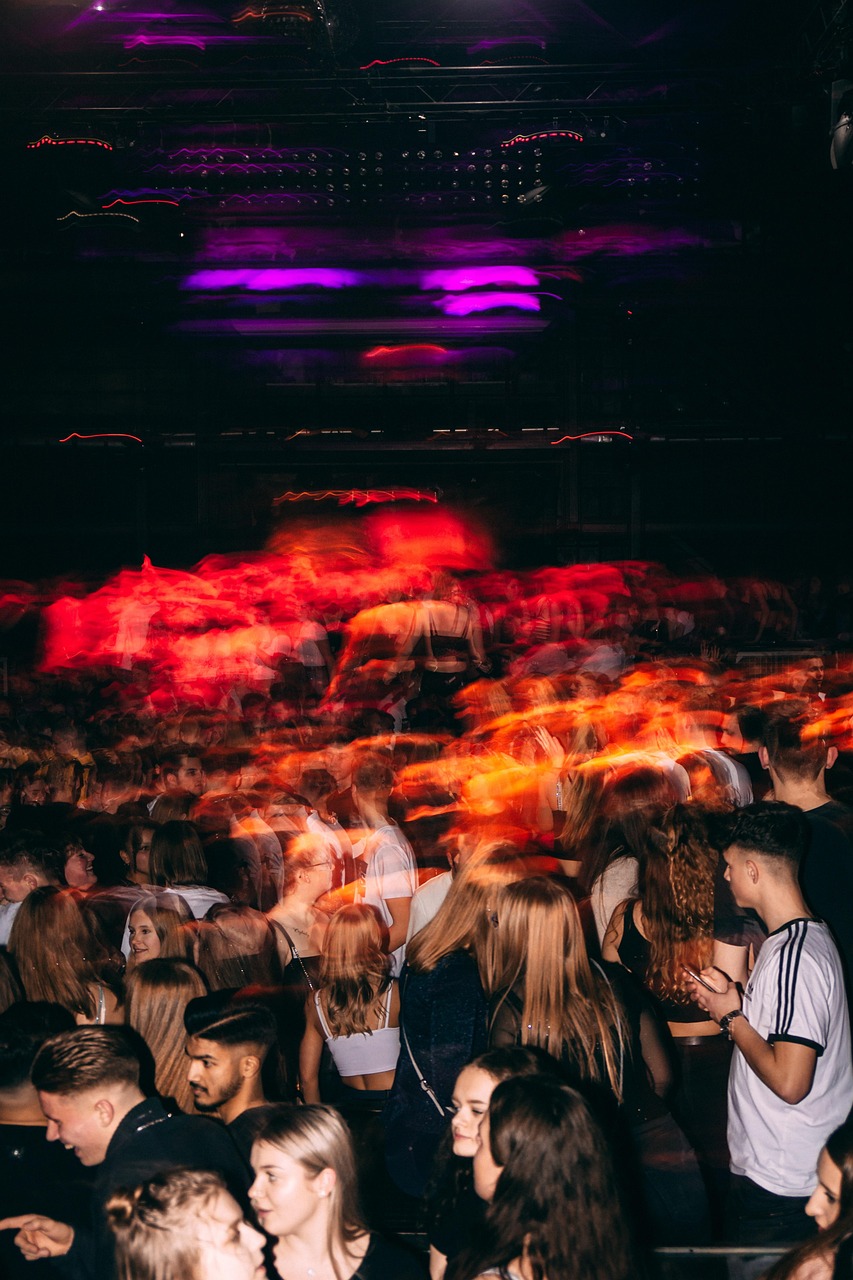
The “Oasis Effect” has served as a wake-up call. It has reminded us that culture is more than just a commodity to be optimized by an algorithm. Whether we are dancing under the Mediterranean sun or a rainy sky in the Netherlands, the value of a festival is found in the collective heartbeat of the crowd.
As Europeans, we have a history of protecting our public squares and our cultural heritage. In 2026, our job will be to ensure that the “music of the people” remains accessible to the people—no matter what the algorithm says.
Stay tuned, keep your tabs open, but most importantly, keep supporting the local scenes that keep our culture alive.