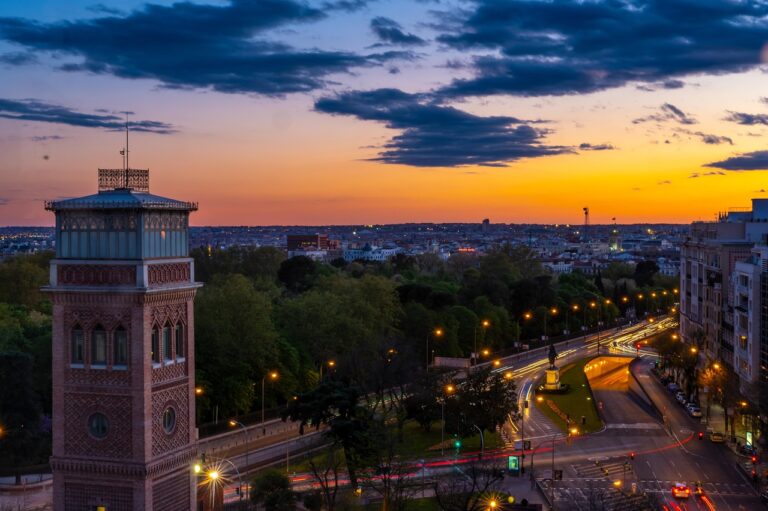
Unveiling the Mystique of Barcelona’s Gothic Quarter: A 2026 Insider’s Guide to Hidden Gems, Revitalized Landmarks, and Sustainable Tourism Initiatives in the Heart of Catalonia
Unveiling the Mystique of Barcelona’s Gothic Quarter: A 2026 Insider’s Guide to Hidden Gems, Revitalized Landmarks, and Sustainable Tourism Initiatives in the Heart of Catalonia
================================================================================================================================================================================================
As we step into the vibrant city of Barcelona in 2026, the Gothic Quarter stands as a testament to the rich cultural heritage and architectural splendor of Catalonia. This ancient neighborhood, with its narrow cobblestone streets, quaint shops, and majestic landmarks, is a must-visit destination for anyone seeking to immerse themselves in the authentic European lifestyle. In this guide, we will delve into the hidden gems, revitalized landmarks, and sustainable tourism initiatives that make the Gothic Quarter an unforgettable experience, all while exploring the intricacies of Spanish culture, art, and society.
### Introduction to the Gothic Quarter
The Gothic Quarter, or El Raval in Catalan, is one of the oldest and most historic areas in Barcelona, with roots dating back to the Roman era. Over the centuries, it has evolved into a unique blend of cultures, architectural styles, and lifestyles, reflecting the diversity and dynamism of Catalan society. Today, visitors from all over Europe and beyond flock to the Gothic Quarter to experience its enchanting atmosphere, where ancient traditions meet modern innovations.
### Hidden Gems of the Gothic Quarter
Beyond the famous La Rambla and Plaça Catalunya, the Gothic Quarter is home to numerous hidden gems waiting to be discovered. For instance, the Plaça Sant Jaume, with its beautiful fountain and historic buildings, offers a peaceful retreat from the bustling streets. Another must-visit spot is the Carrer del Bisbe, featuring the iconic Bridge of Sighs, a picturesque pedestrian bridge that connects two medieval buildings. These lesser-known spots provide a glimpse into the authentic lifestyle of the locals, where traditional Catalan cuisine, medieval architecture, and lively street performers come together.
For those looking to experience the local culture, a visit to the Santa Maria del Pi church is a must. This 14th-century church, with its stunning Gothic architecture and tranquil atmosphere, hosts various cultural events throughout the year, including classical music concerts and traditional Catalan festivals. Visitors can also explore the nearby La Boqueria Market, one of the largest and most famous markets in Europe, offering a wide range of local produce, cheeses, and wines. A typical meal at a local restaurant can cost between 15-25 euros per person, making it an affordable and delicious way to experience the local cuisine.
### Revitalized Landmarks
In recent years, the Gothic Quarter has witnessed a significant revitalization of its landmarks, thanks to the efforts of the local government and community. The Plaça del Rei, for example, has undergone a major renovation, restoring its former glory as a central hub of the neighborhood. This historic square is now home to various cultural events, including outdoor concerts, art exhibitions, and traditional festivals. Visitors can also explore the nearby Museu d’Història de Barcelona, which offers a fascinating insight into the city’s history and cultural heritage.
Another notable landmark is the Barcelona Cathedral, a stunning example of Gothic architecture that dominates the skyline of the Gothic Quarter. Visitors can climb to the rooftop for breathtaking views of the city, or attend one of the many cultural events and concerts held throughout the year. The cathedral is also surrounded by numerous shops, cafes, and restaurants, offering a wide range of local products and services. For instance, a traditional Catalan coffee can cost around 2-3 euros, while a meal at a local restaurant can range from 20-40 euros per person.
### Sustainable Tourism Initiatives
As the Gothic Quarter continues to attract millions of visitors each year, the local government has implemented various sustainable tourism initiatives to reduce the impact of tourism on the environment and local community. One such initiative is the “Barcelona + Sostenible” program, which aims to promote eco-friendly tourism practices, reduce waste, and support local businesses. Visitors can also participate in guided tours that focus on sustainable tourism, such as the “Gothic Quarter Green Tour,” which highlights the neighborhood’s hidden green spaces and sustainable initiatives.
In addition, the local government has introduced a new tax on tourist accommodations, which will be used to fund sustainable tourism projects and support local community initiatives. This tax, which ranges from 0.65-2.25 euros per person per night, will help to reduce the environmental impact of tourism and promote more responsible travel practices. Visitors can also support local businesses by shopping at local markets, such as the La Boqueria Market, or by dining at traditional Catalan restaurants.
### Exploring Catalan Culture and Art
The Gothic Quarter is not only a hub of historical landmarks but also a thriving center of Catalan culture and art. Visitors can explore the numerous galleries and museums, such as the Museu d’Art Contemporani de Barcelona (MACBA), which features an extensive collection of contemporary art. The neighborhood is also home to various street performers, musicians, and artists, adding to the vibrant and dynamic atmosphere of the area.
For those interested in traditional Catalan cuisine, the Gothic Quarter offers a wide range of restaurants and cafes serving local specialties, such as pa amb tomàquet (bread with tomato) and escalivada (roasted vegetables). Visitors can also attend one of the many cultural festivals, such as the La Mercè festival, which celebrates the city’s patron saint with traditional music, dance, and food. A traditional Catalan meal can cost between 30-50 euros per person, making it an affordable and delicious way to experience the local culture.
### Insider Tips and Recommendations
To make the most of your visit to the Gothic Quarter, here are some insider tips and recommendations:
* Explore the neighborhood early in the morning or late in the evening to avoid the crowds and experience the authentic atmosphere of the area.
* Visit the local markets, such as La Boqueria Market, to sample local produce and cheeses.
* Attend one of the many cultural events and festivals, such as the La Mercè festival, to experience the vibrant culture of Catalonia.
* Support local businesses by shopping at local stores and dining at traditional Catalan restaurants.
* Consider purchasing a “Hola BCN” card, which offers discounts and free entry to various attractions and public transportation.
By following these tips and recommendations, visitors can experience the authentic charm of the Gothic Quarter and contribute to the sustainable development of the neighborhood.
### Conclusion
The Gothic Quarter of Barcelona is a unique and enchanting destination that offers a glimpse into the rich cultural heritage and architectural splendor of Catalonia. With its hidden gems, revitalized landmarks, and sustainable tourism initiatives, this ancient neighborhood is a must-visit destination for anyone seeking to experience the authentic European lifestyle. Whether you’re interested in history, culture, art, or simply exploring a new and exciting destination, the Gothic Quarter has something to offer. So come and discover the mystique of this incredible neighborhood, and experience the warm hospitality of the Catalan people. With its vibrant atmosphere, rich culture, and stunning architecture, the Gothic Quarter is sure to leave a lasting impression on all who visit.