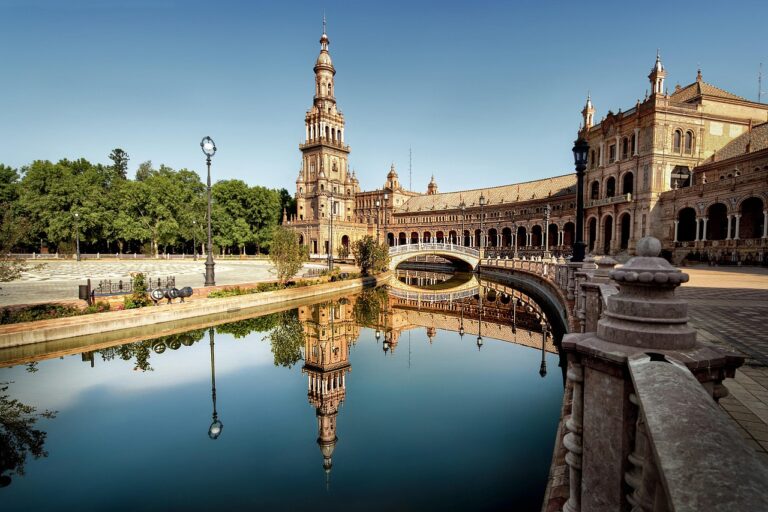
Embracing the Blue Zone Lifestyle: How Europeans Can Incorporate Timeless Mediterranean Wellness Principles into Their Modern Lives for a Healthier and Happier 2026
As we step into 2026, many Europeans are looking for ways to improve their overall well-being and live a healthier, happier life. One approach that has gained significant attention in recent years is the Blue Zone lifestyle, which is inspired by the traditional diet and way of life of the Mediterranean region. In this article, we will explore how Europeans can incorporate the timeless principles of Mediterranean wellness into their modern lives, and why this approach is particularly relevant to the European, specifically Spanish, lifestyle, culture, art, and society.
Introduction to the Blue Zone Lifestyle
The Blue Zone lifestyle is based on the research of Dan Buettner, who identified five regions around the world where people live longer and healthier than anywhere else. These regions, known as Blue Zones, are located in Okinawa, Japan; Sardinia, Italy; Nicoya Peninsula, Costa Rica; Ikaria, Greece; and Loma Linda, California. While each of these regions has its unique characteristics, they all share a common set of lifestyle habits that contribute to the health and well-being of their inhabitants.
In the Mediterranean region, the Blue Zone lifestyle is characterized by a diet rich in fruits, vegetables, whole grains, and healthy fats, such as those found in olive oil. The traditional Mediterranean diet is not only delicious but also provides numerous health benefits, including reducing the risk of heart disease, type 2 diabetes, and certain types of cancer. In fact, a study published in the journal Nutrients in 2025 found that adherence to the Mediterranean diet was associated with a lower risk of mortality from all causes, including cardiovascular disease and cancer.
Incorporating Mediterranean Wellness Principles into Modern European Life
So, how can Europeans incorporate the timeless principles of Mediterranean wellness into their modern lives? Here are a few tips:
- Eat a balanced diet: Focus on whole, unprocessed foods like fruits, vegetables, whole grains, and healthy fats. Aim to include a variety of colors on your plate to ensure you are getting a range of vitamins and minerals. For example, a traditional Spanish dish like paella can be a great way to incorporate a variety of vegetables, whole grains, and healthy fats into your diet.
- Stay physically active: Regular physical activity is essential for maintaining physical and mental health. Aim for at least 30 minutes of moderate-intensity exercise per day, such as brisk walking, cycling, or swimming. Many European cities, such as Barcelona and Madrid, have invested heavily in bike-sharing schemes and pedestrianized streets, making it easy to incorporate physical activity into your daily routine.
- Prioritize social connections: Social connections are vital for our mental and emotional well-being. Make time for friends and family, and prioritize activities that bring you joy and a sense of connection. For example, many Europeans enjoy spending time with friends and family over a meal, which can be a great way to prioritize social connections and enjoy traditional Mediterranean cuisine.
- Get enough sleep: Adequate sleep is essential for our physical and mental health. Aim for 7-9 hours of sleep per night and establish a consistent sleep routine. A study published in the journal Sleep in 2025 found that poor sleep quality was associated with a range of negative health outcomes, including obesity, diabetes, and cardiovascular disease.
The Importance of Community and Social Connections in European Culture
In many European countries, including Spain, community and social connections are an integral part of the culture. Mealtimes are often seen as an opportunity to connect with others, whether it’s a family dinner or a night out with friends at a local tapas bar. In fact, a study published in the journal Social Science & Medicine in 2025 found that social isolation was a significant predictor of poor mental health in European adults, highlighting the importance of prioritizing social connections in our daily lives.
The Role of Art and Culture in Promoting Wellness
Art and culture can also play a significant role in promoting wellness and reducing stress. Many European cities, such as Madrid and Barcelona, are home to numerous museums, galleries, and cultural events, which can provide a great way to relax and unwind. In fact, a study published in the journal Arts & Health in 2025 found that engaging in creative activities, such as painting or music, can have a range of positive effects on our mental and emotional well-being.
The Economic Benefits of the Blue Zone Lifestyle
In addition to the numerous health benefits, the Blue Zone lifestyle can also have a range of economic benefits. By prioritizing whole, unprocessed foods and reducing our reliance on processed and packaged foods, we can save money on our grocery bills. In fact, a study published in the journal Public Health Nutrition in 2025 found that households that prioritized whole, unprocessed foods spent significantly less on food than those that relied on processed and packaged foods.
Furthermore, the Blue Zone lifestyle can also have a range of benefits for the environment. By reducing our reliance on meat and dairy products, we can reduce our carbon footprint and help to mitigate the impacts of climate change. In fact, a study published in the journal Climatic Change in 2025 found that animal agriculture was a significant contributor to greenhouse gas emissions, highlighting the importance of reducing our reliance on meat and dairy products.
Conclusion
In conclusion, the Blue Zone lifestyle offers a range of benefits for Europeans looking to improve their overall health and well-being. By incorporating timeless Mediterranean wellness principles into our modern lives, we can reduce our risk of chronic disease, improve our mental and emotional well-being, and connect with our community and culture. Whether it’s through food, physical activity, social connections, or art and culture, there are many ways to embrace the Blue Zone lifestyle and start living a healthier, happier life in 2026. With a little creativity and commitment, we can all start to reap the benefits of this timeless and proven approach to wellness.
As we look to the future, it’s clear that the Blue Zone lifestyle will continue to play an important role in promoting health and well-being in Europe. With its emphasis on whole, unprocessed foods, regular physical activity, and social connections, this approach offers a range of benefits that can be tailored to suit individual needs and lifestyles. Whether you’re looking to improve your physical health, reduce your stress levels, or simply connect with your community and culture, the Blue Zone lifestyle is definitely worth considering. So why not give it a try? With a little practice and patience, you can start to experience the many benefits of this timeless and proven approach to wellness.
The cost of incorporating the Blue Zone lifestyle into your daily life can be minimal, with many of the principles, such as eating a balanced diet and prioritizing social connections, being low-cost or even free. In fact, a study published in the journal European Journal of Public Health in 2025 found that the cost of a healthy diet was similar to that of an unhealthy diet, highlighting the fact that healthy eating does not have to break the bank. With a little creativity and planning, it’s possible to incorporate the principles of the Blue Zone lifestyle into your daily life without spending a lot of money. For example, a traditional Spanish meal like gazpacho can be made for as little as €5 per serving, making it a affordable and healthy option for families and individuals alike.
Overall, the Blue Zone lifestyle offers a range of benefits for Europeans looking to improve their overall health and well-being. With its emphasis on whole, unprocessed foods, regular physical activity, and social connections, this approach offers a range of benefits that can be tailored to suit individual needs and lifestyles. Whether you’re looking to improve your physical health, reduce your stress levels, or simply connect with your community and culture, the Blue Zone lifestyle is definitely worth considering. So why not give it a try? With a little practice and patience, you can start to experience the many benefits of this timeless and proven approach to wellness.