The Rise of the Mindful Rave: How Europe’s Club Scene is Embracing the Sober-Curious Movement
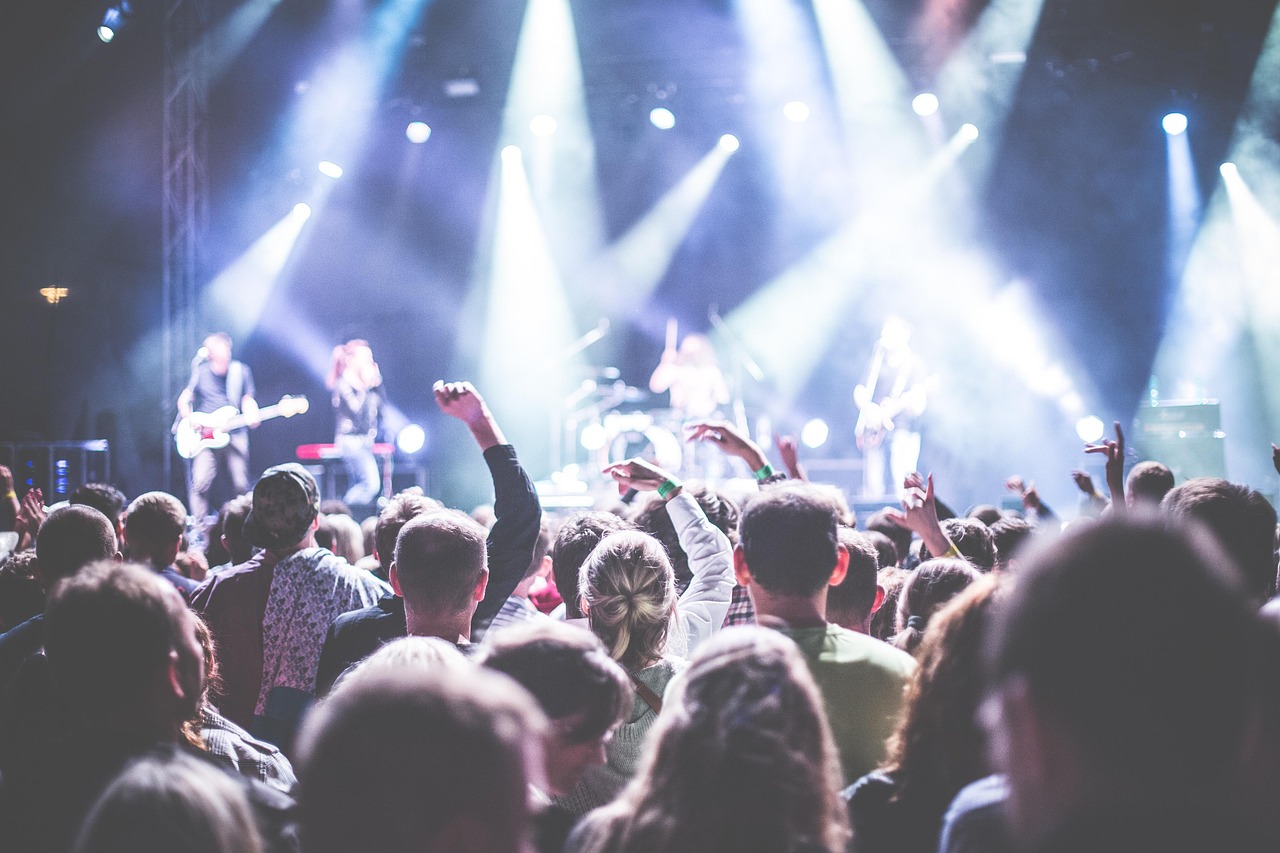
It’s 7:00 AM on a Sunday in Barcelona. Usually, this is the hour when the last stragglers from the clubs in Poble Nou are stumbling toward the Metro, eyes shielded from the Mediterranean sun. But at a converted warehouse near the Bogatell beach, the scene is strikingly different. A crowd of hundreds is pulsing to deep, melodic techno, their movements fluid and energetic. The air smells of palo santo and fresh citrus rather than stale cigarettes and spilled beer.
Welcome to the era of the “Mindful Rave.” As we move through 2025 and look toward 2026, the European clubbing landscape is undergoing its most significant cultural shift since the Summer of Love. Across the continent—and particularly within the vibrant social fabric of Spain—the “sober-curious” movement has moved from the fringes of wellness retreats directly onto the main stage of nightlife.
Beyond the Hangover: A Shift in the European Soul
For decades, European nightlife was synonymous with excess. From the legendary “La Ruta del Bakalao” in Valencia to the 48-hour marathons in Berlin’s Berghain, the goal was often escapism through intoxication. However, the mid-2020s have ushered in a new priority: presence.
The modern European clubber, squeezed by the rising costs of living and more conscious of mental health than any generation before, is asking a radical question: Can I have the communal euphoria of a rave without the three-day chemical comedown?
In Spain, a country where social life is inextricably linked to the “sobremesa” and late-night tapas, the transition is fascinating. Spanish culture is inherently collective; we live our lives in the streets and squares. The mindful rave isn’t rejecting Spanish sociability; it’s evolving it. It’s taking the warmth and “chispa” (spark) of Spanish life and distilling it into a cleaner, more sustainable format.
The 2025 Experience: Elixirs and Immersive Art
Walking into a mindful rave in 2025 is a sensory feast. At events hosted by collectives like Breathwork Beats in Madrid or Conscious Clubbing in Ibiza, the “bar” has been reimagined. Instead of cheap mixers, you’ll find “Euphoric Elixirs”—botanical blends featuring adaptogens, lion’s mane, and magnesium that provide a natural lift. These drinks aren’t cheap—expect to pay between €12 and €18 for a high-end functional cocktail—but for many, the price is a worthwhile investment in a morning without a headache.
The art is equally transformative. Without the haze of heavy substances, promoters are investing more in high-fidelity sound systems and immersive visual installations. We are seeing a fusion of digital art and rave culture, where AI-generated projections react in real-time to the dancers’ collective heart rates. It’s no longer just a party; it’s a living, breathing art installation where the attendee is the protagonist.
Why Spain is Leading the “So-Ber” Charge
While London and Berlin pioneered “Morning Gloryville” style events years ago, Spain is giving the movement its own unique flavor. Spanish mindful raves often incorporate elements of the Mediterranean lifestyle. It’s not uncommon for a four-hour set of organic house music to conclude with a communal healthy brunch or a guided meditation overlooking the Balearic Sea.
This shift is also a response to the “over-tourism” fatigue in cities like Barcelona and Palma. Locals are reclaiming their nightlife spaces, moving away from the “booze-cruise” stereotypes and creating high-quality, sophisticated environments that celebrate Spanish creativity and music. It’s a move toward “Quality over Quantity,” a sentiment that resonates deeply with the 2026 European zeitgeist.
The Society of Connection
Sociologically, the rise of the mindful rave speaks to a deeper need for authentic connection. In an era of digital isolation, the dancefloor remains one of the few places where humans can experience “collective effervescence.” By removing the barrier of heavy alcohol or drug use, participants report feeling more “tuned in” to the people around them.
“You actually see people’s eyes,” says Elena, a 29-year-old graphic designer and regular at Barcelona’s sober dance events. “In the old clubs, everyone was in their own world, often quite lost. Here, there’s a shared energy. We’re all on the same wavelength because the music is the only stimulant we need.”
The Economic Impact: A New Industry
The business of “going out” is changing. In 2025, the non-alcoholic beverage market in Europe has surged, with Spain becoming a major hub for craft 0.0% beers and distilled botanical spirits. Club owners are noticing that while “sober” guests might spend less on volume, they are willing to pay a premium for high-quality experiences, workshops, and artisanal drinks.
Furthermore, the “Mindful Rave” is no longer restricted to 6:00 AM starts. We are seeing the rise of the “Early Night”—events that start at 19:00 and end by midnight, allowing professionals to enjoy the peak of European electronic music and still be fresh for a Monday morning meeting or a morning surf session.
Looking Ahead to 2026
As we look toward 2026, the “Mindful Rave” will likely stop being a sub-genre and simply become a standard option in every major European city. We expect to see “Sober Wings” in major festivals like Sónar or Primavera Sound, providing high-energy, substance-free zones that prioritize acoustics and wellness.
The rise of the mindful rave isn’t just about what we’re giving up; it’s about what we’re gaining. It’s a celebration of the body, a respect for the mind, and a testament to the enduring power of the beat. In the heart of Europe, the party isn’t over—it’s just finally waking up.
So, next time you’re in Madrid or Barcelona, don’t be surprised if the hottest ticket in town starts with a ginger shot and ends with a clear head and a full heart. The future of the dancefloor is conscious, and it has never looked brighter.