The New Giants: Why Small-Scale European Boutique Festivals are Dominating the Circuit
For decades, the European summer was defined by the “Mega-Festival.” We all know the drill: massive sprawling campsites, ten different stages, and the logistical challenge of trekking three kilometers just to find a lukewarm beer. But as we move through the 2025 season and look toward 2026, a seismic shift has occurred in the way Europeans consume culture. The “New Giants” of the circuit aren’t the ones with the 100,000-person capacities; they are the boutique gems—intimate, curated, and deeply rooted in the local landscape.
In Spain, Portugal, and across the Mediterranean, the rise of the boutique festival is more than just a musical trend. It is a reflection of a changing society that values quality over quantity, sustainability over excess, and genuine human connection over digital spectacle.
The Death of Festival Fatigue
By the end of 2024, “festival fatigue” had become a common topic across European social circles. The escalating costs of “Big Name” tickets—often exceeding €350 before you’ve even bought a bottle of water—coupled with the sheer exhaustion of navigating crowd-crush, led many to seek alternatives.
In 2025, the boutique festival has stepped in to fill that void. These events, typically capped at 2,000 to 5,000 attendees, offer something the giants cannot: a sense of belonging. Instead of being a face in a sea of thousands, attendees are part of a community. In Spain, this aligns perfectly with the culture of the barrio and the plaza—the idea that the best experiences happen when the scale is human and the faces become familiar by day three.
The “Slow Living” Movement Meets the Dancefloor
The 2025 circuit is heavily influenced by the “Slow Living” movement that has swept through Southern Europe. Boutique festivals like those popping up in the rugged hills of Galicia or the hidden valleys of Andalusia are no longer just about the music. They are about the lifestyle.
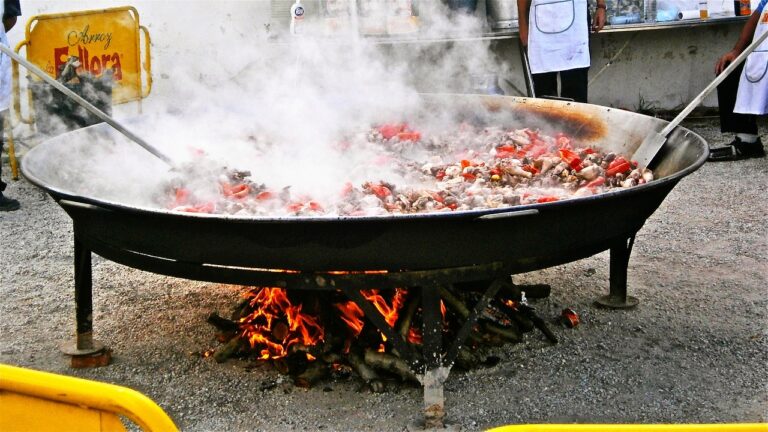
A typical day at a 2025 boutique festival doesn’t start with a frantic rush to the main stage. It begins with a communal brunch featuring local organic produce—think artisan sourdough, Iberian ham, and fresh Mediterranean citrus. Many festivals now include “wellness” tracks as standard, offering yoga at sunrise or sound baths in ancient olive groves.
This is the Spanish sobremesa—that long, lingering conversation after a meal—translated into a festival format. The schedule is designed to breathe. There is time to talk, time to eat properly (not just a €15 burger from a van), and time to appreciate the surroundings.
Art as an Environment, Not an Ornament
In the past, art at festivals was often relegated to a few neon signs or a singular sculpture for Instagram photos. The 2025 boutique scene has turned this on its head. Taking cues from events like Barcelona’s MIRA or the avant-garde gatherings in Berlin, small festivals are now immersive galleries.
Because the sites are smaller—often taking place in renovated monasteries, repurposed cork factories, or remote coastal estates—the art can be site-specific. We are seeing a surge in “Bio-Art” and digital installations that respond to the local environment. In Spain, this often manifests as a dialogue between the historical and the ultra-modern: light projections dancing across 12th-century stone walls, or spatial audio installations hidden within pine forests. These are not just backdrops; they are the main event, reflecting a European society that is increasingly hungry for sophisticated, multidisciplinary art.
The Economics of the €150 Weekend
From a purely financial perspective, the dominance of the boutique festival makes sense for the 2025 European consumer. While the “Mega-Festivals” struggle with the soaring costs of booking global superstars who demand seven-figure fees, boutique festivals focus on “discovery lineups.”
By booking a mix of rising local talent and cult international acts, organizers can keep ticket prices around the €120–€180 mark for a full weekend. This leaves the attendee with more “cultural capital” to spend on the experience itself. Instead of spending €500 on a weekend of stress, Europeans are opting to spend €300 on a weekend of luxury, local gastronomy, and high-end production.
Furthermore, these festivals are massive boons for local economies. Unlike the big corporate entities that often ship in their own vendors, boutique festivals are deeply integrated with their host towns. They hire local staff, source food from nearby farms, and encourage attendees to stay in local casas rurales. In an era where “over-tourism” is a hot-button issue in Spain, these small-scale, respectful events provide a blueprint for sustainable tourism.
Looking Toward 2026: The Future is Personal
As we look toward the 2026 season, the trend shows no signs of slowing down. The “New Giants” will continue to be those festivals that prioritize the senses over the ego. We are seeing a move toward “niche-ification”—festivals dedicated specifically to ambient music, or those that combine electronic music with hiking and viticulture.
The 2025 circuit has proven that we no longer need the loudest speakers or the biggest screens to have a transformative experience. What we need is a sense of place, a taste of the local culture, and the space to enjoy it with others.
In the sun-drenched landscapes of Europe, the boutique festival is more than just a party; it is a celebration of the European way of life—tempered, tasteful, and intensely social. The era of the anonymous crowd is over; the era of the intimate giant has begun.