Reviving the Art of Tapeo: How Modern Spanish Chefs are Reinventing Traditional Tapas for the 2026 Food Scene
Reviving the Art of Tapeo: How Modern Spanish Chefs are Reinventing Traditional Tapas for the 2026 Food Scene
==============================================================================================================
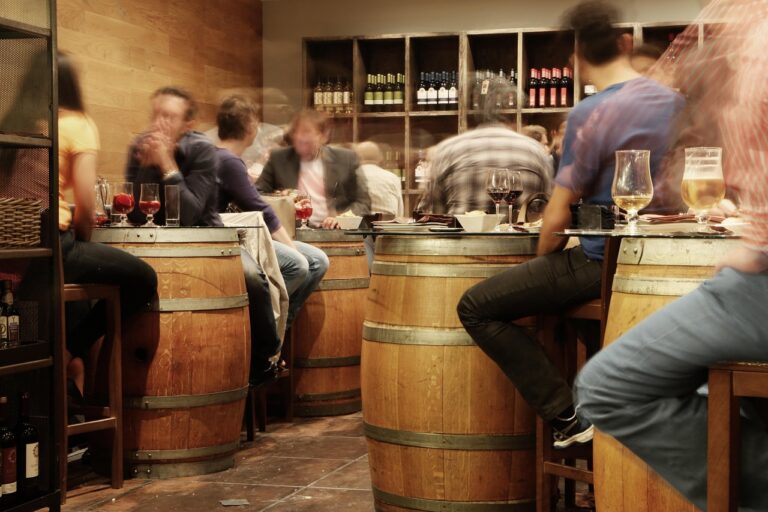
As we step into the vibrant streets of Spain, the aroma of sizzling tapas and the sound of lively chatter fill the air, transporting us to a world of rich flavors and warm hospitality. Tapas, the quintessential Spanish culinary tradition, has been a cornerstone of the country’s gastronomic culture for centuries. However, in recent years, a new wave of modern Spanish chefs has emerged, determined to revive and reinvent the art of tapeo for the 2026 food scene. In this article, we will delve into the world of tapas, exploring its history, cultural significance, and the innovative approaches of contemporary chefs who are redefining the traditional tapeo experience.
A Brief History of Tapas
————————
The origins of tapas date back to the 13th century, when Spanish taverns would serve small plates of food, known as _tapa_, to accompany drinks. The word _tapa_ literally means “cover” or “lid,” and it is believed that bartenders would place a small plate of food on top of a glass to prevent flies from getting into the drink. Over time, tapas evolved into a beloved culinary tradition, with each region in Spain developing its unique variations and specialties. From the rich _patatas bravas_ of Madrid to the seafood-infused _pintxos_ of the Basque Country, tapas has become an integral part of Spanish cuisine and culture.
The Cultural Significance of Tapas
———————————
Tapas is more than just a culinary tradition; it is a way of life. In Spain, mealtimes are sacred, and the act of sharing food and drinks with others is a fundamental aspect of social bonding. Tapas bars, or _tabernas_, are the heart of Spanish social life, where friends and family gather to enjoy good food, wine, and company. The tapeo experience is not just about the food; it is about the atmosphere, the conversation, and the sense of community that comes with sharing a meal with others. As Spanish chef, José Andrés, once said, “Tapas is not just a way of eating, it’s a way of living.”
Modern Spanish Chefs Reinvent Tapas
————————————
In recent years, a new generation of Spanish chefs has emerged, determined to reinvent the traditional tapeo experience for the modern palate. These innovative chefs are experimenting with new ingredients, techniques, and presentation styles, while remaining true to the essence of tapas. One such chef is the acclaimed Spanish chef, Adrián Herrera, who has gained recognition for his creative takes on traditional tapas. His restaurant, _La Tasquita de Enfrente_, in Madrid, offers a menu that blends classic dishes with modern twists, such as _croquetas_ filled with truffle and foie gras, or _tortilla española_ with a runny egg and truffle oil.
Another notable example is the Michelin-starred chef, Andoni Luis Aduriz, who has been at the forefront of the modern Spanish culinary scene. His restaurant, _Mugaritz_, in the Basque Country, offers a unique tapeo experience, with dishes such as _foie gras_ with pickled pink peppercorns and _bacalao_ with cauliflower and romesco sauce. These chefs, along with many others, are pushing the boundaries of traditional tapas, incorporating new flavors, textures, and presentation styles that cater to the modern palate.
The Rise of Sustainable and Local Ingredients
——————————————–
One of the key trends in modern Spanish cuisine is the emphasis on sustainable and local ingredients. With the growing awareness of environmental issues and the importance of reducing carbon footprints, many chefs are opting for locally sourced produce, reducing food waste, and promoting eco-friendly practices in their kitchens. This approach not only benefits the environment but also enhances the flavor and quality of the dishes. For example, chef, Elena Arzak, of the three-Michelin-starred restaurant, _Arzak_, in San Sebastián, has implemented a “zero-waste” policy in her kitchen, using every part of the ingredient to minimize waste and create innovative dishes.
The Economic Impact of Tapas on Local Communities
————————————————
The tapas industry has a significant economic impact on local communities, with many small businesses and family-owned restaurants relying on the tapeo tradition to sustain their livelihoods. According to a recent study, the tapas sector generates over €10 billion in revenue each year, supporting over 200,000 jobs and contributing to the local economy. Moreover, the rise of modern tapas has attracted a new wave of tourists and foodies, who are willing to pay a premium for high-quality, innovative tapas experiences. This has led to an increase in investment in local infrastructure, with many towns and cities investing in tapas-themed tours, food festivals, and culinary events.
The Future of Tapas: Trends and Predictions
——————————————–
As we look to the future of tapas, several trends and predictions emerge. One of the most significant trends is the rise of vegan and vegetarian tapas, with many chefs incorporating plant-based ingredients and innovative techniques to cater to the growing demand for meat-free options. Another trend is the increasing popularity of tapas-themed events and festivals, such as the annual _Feria de Tapas_ in Madrid, which attracts thousands of visitors each year.
In conclusion, the art of tapeo is alive and well in Spain, with modern Spanish chefs reinventing traditional tapas for the 2026 food scene. From the emphasis on sustainable and local ingredients to the innovative approaches of contemporary chefs, the tapeo experience is evolving to cater to the modern palate. As we explore the vibrant streets of Spain, we are reminded that tapas is not just a culinary tradition; it is a way of life, a celebration of community, and a reflection of the country’s rich cultural heritage. So, let us raise a glass and toast to the future of tapas, a culinary tradition that continues to captivate and inspire us, one delicious bite at a time. With prices ranging from €5 to €15 per tapas, and with many restaurants offering special deals and discounts, there has never been a better time to experience the magic of tapeo. Whether you are a foodie, a traveler, or simply a lover of Spanish culture, the world of tapas awaits, and we invite you to join us on this culinary journey. ¡Buen provecho!