Navigating the Shifting Landscape of European Real Estate: How Sustainable Investments and Emerging Markets are Redefining the Sector in 2026
Navigating the Shifting Landscape of European Real Estate: How Sustainable Investments and Emerging Markets are Redefining the Sector in 2026
====================================================================================
As we step into 2026, the European real estate sector is undergoing a significant transformation, driven by the growing demand for sustainable investments and the emergence of new markets. This shift is not only reshaping the way we think about property development and investment but also reflecting the changing values and priorities of European society. In this article, we will delve into the current state of European real estate, exploring the trends, challenges, and opportunities that are redefining the sector, with a particular focus on the Spanish lifestyle, culture, art, and society.
### Introduction to the European Real Estate Market
The European real estate market has traditionally been a cornerstone of economic growth and stability, offering a wide range of investment opportunities across different asset classes, from residential and commercial properties to industrial and hospitality sectors. However, the market is now facing a pivotal moment, as investors, developers, and policymakers alike are compelled to adapt to the imperatives of sustainability and the evolving preferences of consumers. The European Union’s ambitious climate neutrality goals by 2050 are setting the stage for a real estate sector that must prioritize energy efficiency, renewable energy, and reduced carbon footprints.
### Sustainable Investments: The New Paradigm
Sustainable investments are becoming the new norm in European real estate, driven by both regulatory pressures and changing consumer behaviors. Investors are increasingly seeking assets that not only offer financial returns but also contribute positively to the environment and society. This trend is particularly evident in countries like Spain, where the Mediterranean lifestyle emphasizes a close relationship with nature and a strong cultural heritage. Sustainable development projects, such as green buildings, eco-friendly renovations, and energy-efficient constructions, are gaining traction, attracting investors who are willing to pay a premium for properties that meet stringent environmental standards.
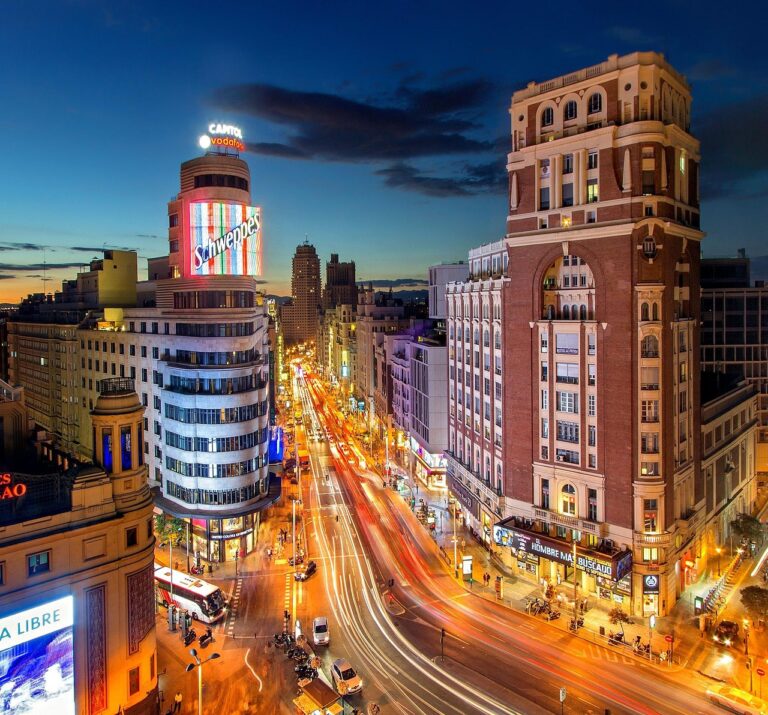
For instance, the cost of acquiring and renovating a historic building in Madrid to meet modern sustainability standards can range from €500,000 to €2 million, depending on the size and condition of the property. However, such investments can yield significant returns, both financially and in terms of contributing to the preservation of cultural heritage and the reduction of carbon emissions. According to recent market analyses, sustainable real estate investments in Spain can offer returns of up to 8% per annum, outperforming traditional investments in the sector.
### Emerging Markets and New Hotspots
Beyond the traditional hubs of London, Paris, and Berlin, emerging markets in Eastern Europe and the Mediterranean are beginning to attract significant attention from investors. Countries such as Poland, Hungary, and Portugal offer a compelling mix of affordable prices, growing economies, and rich cultural heritage, making them attractive destinations for both domestic and international investors. Spain, in particular, is experiencing a resurgence in its real estate market, driven by the appeal of its lifestyle, culture, and natural beauty. The Costa del Sol, Barcelona, and the Canary Islands are witnessing a surge in demand for luxury and sustainable properties, fueled by the growing interest from European and international buyers seeking a unique blend of siesta and fiesta, coupled with a deep appreciation for Spanish art, architecture, and gastronomy.
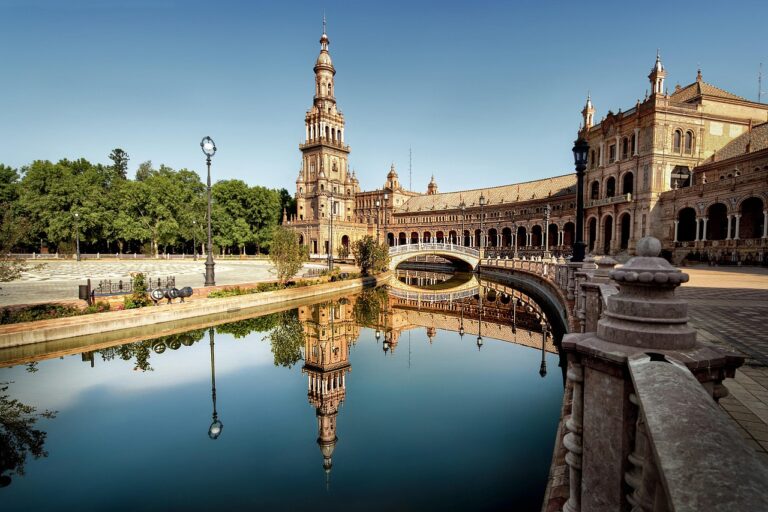
The Spanish lifestyle, known for its warm hospitality, love of festivals, and deep-rooted tradition of family and community, is a significant draw for many investors. The country’s rich cultural tapestry, woven from the contributions of Moorish, Gothic, and Renaissance influences, is reflected in its stunning architecture, vibrant art scene, and world-class museums like the Prado in Madrid and the Picasso Museum in Barcelona. Moreover, the emphasis on outdoor living, health, and wellness in Spanish culture aligns perfectly with the global shift towards sustainable and healthier lifestyles, making Spanish real estate an increasingly attractive proposition for those seeking not just a property, but a way of life.
### Challenges and Opportunities
Despite the optimism surrounding sustainable investments and emerging markets, the European real estate sector faces several challenges. Regulatory hurdles, bureaucratic obstacles, and the need for significant upfront investments in sustainability measures can deter some investors. Additionally, the sector must navigate the complexities of balancing economic growth with environmental and social responsibility, ensuring that the pursuit of sustainable development does not lead to gentrification or the displacement of local communities.
However, these challenges also present opportunities for innovation and growth. Technological advancements, such as blockchain and green financing, are opening up new avenues for investment and development. Furthermore, the focus on sustainability is driving innovation in construction materials, energy systems, and property management, creating new industries and job opportunities. In Spain, for example, the government’s commitment to renewable energy and reducing carbon emissions is stimulating the growth of a green economy, with significant investments in solar and wind energy, as well as in the development of sustainable tourism initiatives.
### Conclusion
As the European real estate sector continues to evolve, it is clear that sustainability and emerging markets will play a pivotal role in shaping its future. For investors, developers, and policymakers, understanding these trends and adapting to the changing landscape will be crucial. The Spanish lifestyle, culture, art, and society, with their emphasis on community, tradition, and a deep connection with the environment, offer a unique model for sustainable development that can inspire and inform practices across the continent.
In the context of the European Union’s climate goals and the global push for sustainable development, the real estate sector has the potential to not only contribute to a more environmentally conscious future but also to preserve and enhance the cultural heritage and societal values that make Europe so unique. As we look to 2026 and beyond, one thing is certain: the future of European real estate will be sustainable, innovative, and deeply rooted in the rich tapestry of European lifestyle, culture, art, and society. With the euro continuing to play a central role in European economic integration, investors can expect a stable and predictable market, ideal for long-term investments in sustainable real estate. Whether you are a seasoned investor or just starting to explore the European real estate market, now is the time to embrace the shift towards sustainability and discover the myriad opportunities that this exciting and evolving sector has to offer.